
Human-centred lighting
Light also affects our daily lives at a biological level. Daylight is an important regulator of our circadian rhythm.
What is human-centred lighting?
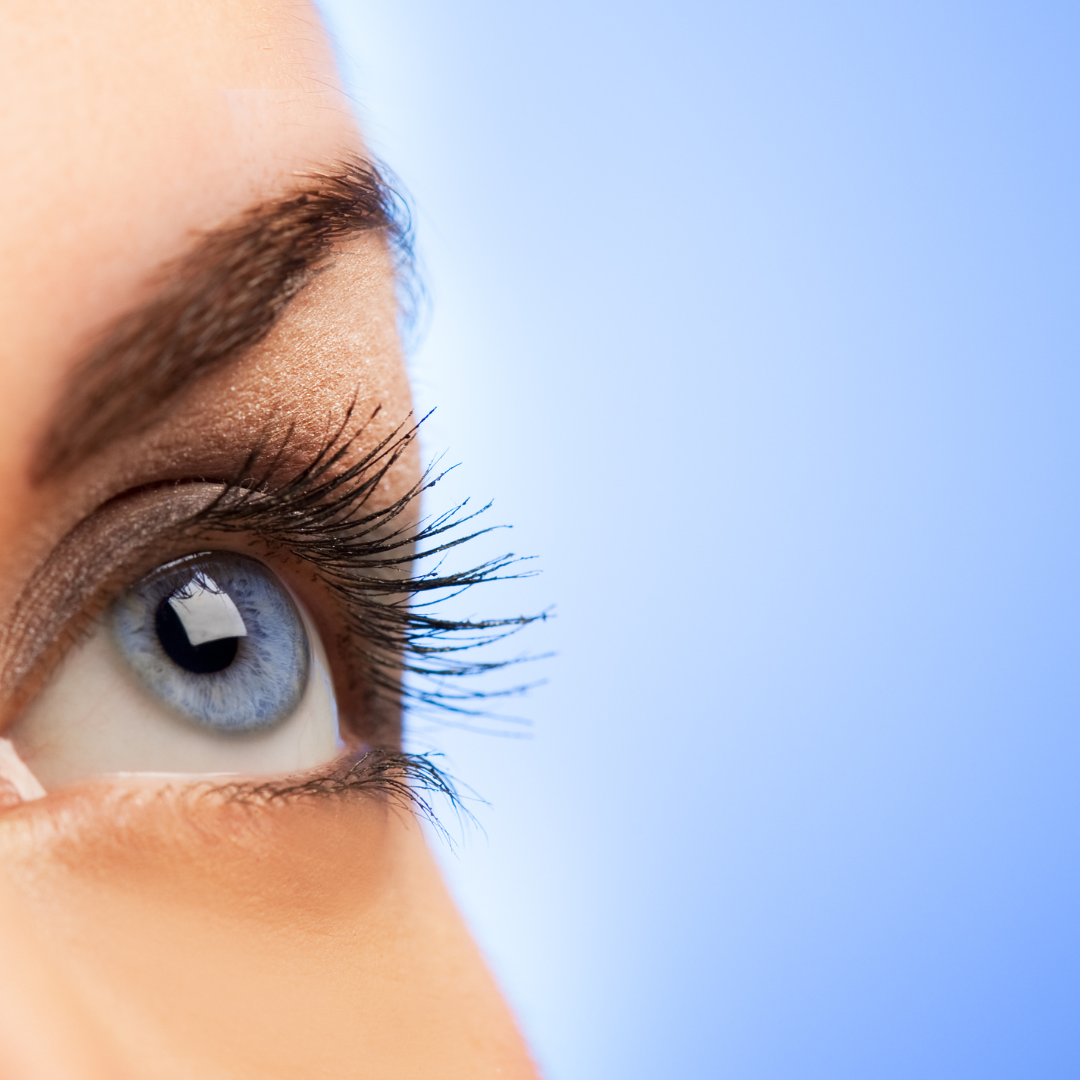
It is a way to bring the natural changes in light intensity and colour temperature indoors with luminaires that mimic natural light. Lighting creates opportunities for optimised and personalised lighting and thus contributes to the well-being of the occupants.
What are the benefits of human-centred lighting?
When lighting is built with people in mind, it improves well-being and congitive skills. For example, if the working environment is challenging, human-centred lighting is used to provide the best possible working conditions.
Improved sleep
By using human-centred lighting, the body's hormone balance is better adjusted and sleep quality improves. This benefits everyone, but especially young people who often stay up late into the night, people with memory problems and people who work shifts, for example.
You'll be better off
Overall well-being will be improved. The use of human-centred lighting increases alertness and reduces drowsiness. In addition, concentration can improve and the chances of making mistakes at work, for example, are reduced.
Feel healthier
With human-centred lighting, people feel better overall because the biological circadian rhythm is strengthened.

How is human-centred lighting created?
When designing human-oriented lighting, the focus is on these four parameters in particular: specularity, luminance, timing and duration, and light distribution.
Luminance
An important part of the biological clock system is the production of the hormone melatonin. Its production varies with the time of day. It is secreted most at night and has low levels during the day. When a person is exposed to light, it inhibits melatonin production more strongly. In 2019, the standards body UL introduced a new guideline for lighting levels that can reduce melatonin production sufficiently to shift the circadian rhythm. This recommendation is 254 lux (vertical illuminance) with indirect lighting and a colour temperature of 5000 K.
Spectrum

Light is radiation visible to the human eye. In particular, the blue light in the spectrum, which is abundant in sunlight, for example, helps maintain circadian rhythms and increases alertness, while reducing melatonin secretion.
Timing and duration of lighting
Light is most effective for humans in the morning. A bright morning tells us that the day has begun and our vital functions need to be activated. Conversely, if we get too much light in the evening, it reduces melatonin production and makes it harder to fall asleep. Each person's own psychology also plays a role in the timing of colour temperature fluctuations. It would therefore be best if it were possible to adjust lighting to suit the individual.
Light distribution
The light distribution of a luminaire is affected by its positioning and other characteristics of the luminaire. Studies have shown that light coming from slightly above is the most effective in producing a biological effect. Such lighting is often created by illuminating large ceiling surfaces and by combining this with wall washers or pendant luminaires that produce light indirectly. In offices or schools, for example, the illuminance of walls should be at least 150 lux and the ceiling surface at least 100 lux.
Personalised solutions

Every person is an individual and every object is unique. For example, schools, offices, industrial halls and various healthcare facilities need different lighting solutions. In hospitals, for example, human-centred lighting can help achieve shorter recovery times, as prolonged periods indoors can disrupt sleep patterns and patients may sleep less well.
What about industry and shift workers? Night shift lighting needs to be carefully designed to increase alertness during the night hours with artificial light and to reduce the risk of error in the last hours of the shift by exposing workers to cold white light.
Light control
Casambi has the ability to implement human-centred lighting, where the luminous intensity and the time cycle of the colour temperature of light are defined and adjusted. KVS Ltd helps to tailor lighting solutions that are both user-friendly and functional with a variety of luminaires and the Casambi lighting control system.